How To Ease Cavity Pain & How To Get Started
Introduction
Cavity pain can be a distressing experience, making everyday activities such as eating and drinking uncomfortable. Understanding how to ease cavity pain is essential for anyone dealing with this issue. Whether it’s a dull ache or a sharp throb, finding relief can help you manage your discomfort while awaiting professional dental care.
In this article, we will explore various methods to alleviate cavity pain, providing you with practical solutions to cope until you can see a dentist. From home remedies to over-the-counter treatments, there are several strategies you can employ to make your experience more bearable.
Buying Guides
When dealing with cavity pain, finding the right products and remedies can significantly alleviate discomfort. Here are some practical criteria to consider when selecting options to ease cavity pain.
Consider Pain Relief Options
– Over-the-Counter Medications: Look for non-prescription pain relievers such as ibuprofen or acetaminophen. Check for age restrictions and dosage recommendations.
– Topical Anesthetics: Gels or ointments containing benzocaine can numb the affected area. Ensure the product is safe for oral use and follow application instructions.
Evaluate Natural Remedies
– Clove Oil: Known for its analgesic properties, clove oil can be applied directly to the affected tooth. Make sure to use a high-quality, pure oil.
– Salt Water Rinse: A simple solution of warm water and salt can help reduce inflammation and cleanse the mouth. Opt for a fine sea salt for better solubility.
Assess Oral Hygiene Products
– Fluoride Toothpaste: Choose a toothpaste with fluoride to help remineralize enamel and combat further decay. Look for products with the ADA Seal of Acceptance.
– Mouthwash: An antibacterial mouthwash can help reduce bacteria and prevent infection. Consider alcohol-free options to avoid irritation.
Check for Additional Comfort Items
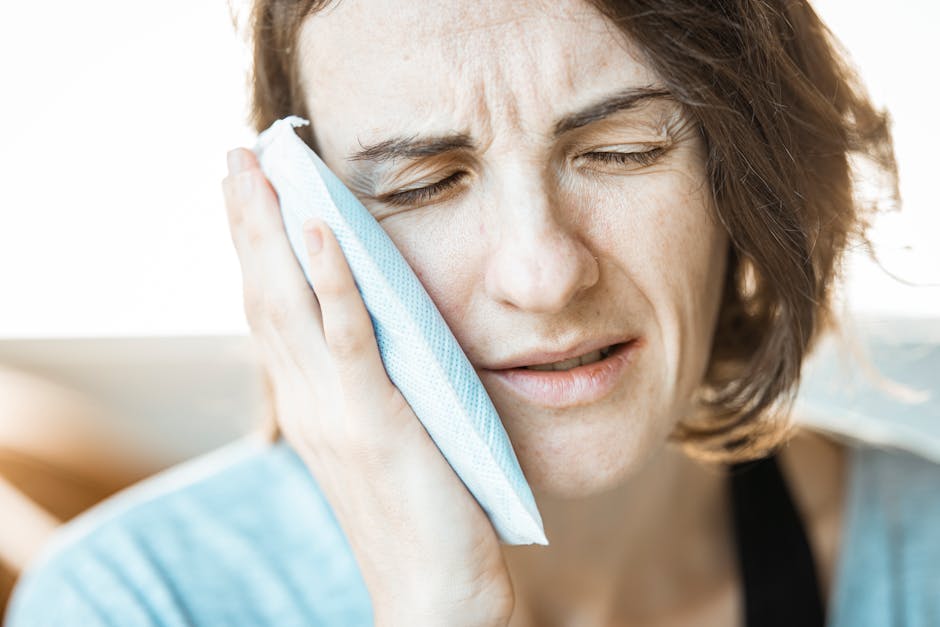
– Cold Compress: A cold pack applied to the outside of the cheek can reduce swelling and numb pain. Ensure it’s wrapped in a cloth to prevent skin irritation.
– Dental Wax: If a cavity has caused sharp edges, dental wax can be used to cover the area temporarily.
Look for Professional Solutions
– Dental Visits: Regular check-ups are crucial. If pain persists, consult a dentist for a thorough examination and treatment options.
– Emergency Dental Services: Research local emergency dental services for after-hours care if the pain becomes unbearable.
Consider Dietary Adjustments
– Soft Foods: Opt for soft, non-acidic foods to minimize irritation. Foods like yogurt, mashed potatoes, and smoothies can be easier to consume.
– Hydration: Stay hydrated with water. Avoid sugary or acidic drinks that might exacerbate pain.
By considering these criteria, you can make informed decisions on how to ease cavity pain effectively. Always consult with a healthcare professional for advice tailored to your specific situation.
FAQs
What are the common symptoms of cavity pain?
Cavity pain typically includes:
– Sharp or throbbing pain in the affected tooth
– Sensitivity to hot, cold, or sweet foods
– Pain when biting or chewing
– Visible holes or dark spots on the tooth
– Swelling or discomfort in the surrounding gums
How can I relieve cavity pain at home?
You can try several home remedies, such as:
– Rinsing with warm salt water to reduce inflammation
– Applying a cold compress to the outside of your cheek
– Using over-the-counter pain relievers like ibuprofen or acetaminophen
– Applying clove oil or a topical analgesic to the affected area for temporary relief
When should I see a dentist for cavity pain?
You should see a dentist if:
– The pain persists for more than a day or two
– You experience severe pain or swelling
– You notice any signs of infection, such as fever or pus
– You have difficulty eating or drinking due to pain
Can I prevent cavity pain in the future?
Yes, you can take several preventive measures:
– Maintain good oral hygiene by brushing twice a day and flossing daily
– Regularly visit your dentist for check-ups and cleanings
– Limit sugary and acidic foods and drinks
– Use fluoride toothpaste and consider fluoride treatments
Is it safe to use home remedies for cavity pain?
While home remedies can provide temporary relief, they are not a substitute for professional dental care. If the pain persists or worsens, it’s important to consult a dentist for proper diagnosis and treatment.
Conclusion
Easing cavity pain can significantly improve your comfort while you seek professional dental care. By employing a combination of home remedies, over-the-counter medications, and preventive measures, you can manage the discomfort effectively. Remember to maintain good oral hygiene and consult your dentist for any persistent issues to ensure the best outcome for your dental health.